Seven States, One Bill: What US Packaging EPR Means for Buyers Sourcing from China
For years, extended producer responsibility (EPR) for packaging was a European conversation. If you sold into the EU, you registered, reported, and paid. If you sold in the US, you watched from the sidelines.
That sideline is gone. Seven US states have now enacted packaging EPR laws — Maine, Oregon, Colorado, California, Minnesota, Maryland, and Washington — and the programs are moving from paper to enforcement. May 2026 marked the first coordinated multi-state reporting deadline, with six states requiring packaging supply reports on the same day. For brands sourcing packaging from China, this changes the cost math on every SKU.
Where each state stands
The seven programs are at very different stages. Oregon went first and is the only one fully enforcing today: producers reported data in early 2025, the first fee invoices landed in July 2025, and the program has already survived an industry court challenge — which removed the last reason to treat EPR as optional. Colorado followed with base fees beginning in January 2026. Minnesota, Maryland, and Washington are in the registration-and-reporting phase. Maine was technically first to pass its law but is last to implement, spending 2026 selecting its stewardship organization.
Then there is California — the one that changes the math for everyone.
California SB 54: the giant in the room
Senate Bill 54, the Plastic Pollution Prevention and Packaging Producer Responsibility Act, is the most expansive of the US state programs. California’s Office of Administrative Law approved the implementing regulations on May 1, 2026, after a three-year rulemaking process. The law covers an estimated 5,000+ producers and requires $5 billion in fees over the next decade to address plastic pollution impacts.
The headline obligations: all covered packaging must be recyclable or compostable by 2032, and single-use plastic packaging must be reduced 25% by weight. Producers must join a Producer Responsibility Organization (PRO) by January 1, 2027. The 2026 compliance calendar has been dense — baseline and supply reports due May 31, 2026, individual source reduction plans due August 1, 2026, and early program fees invoiced in August 2026 based on 2025 packaging data. Full per-material fees begin in 2027.
Because California’s market is so large, many businesses that are exempt everywhere else will still have to reckon with Sacramento.
Why this lands on buyers sourcing from China
Three things make EPR a sourcing issue, not just a legal one.
First, you are probably the “producer.” Under these laws, the obligated party is typically the brand owner or first seller placing packaged products on the market — not the factory in Guangdong that made the box. If your name is on the product sold in California or Oregon, the registration, reporting, and fees are yours.
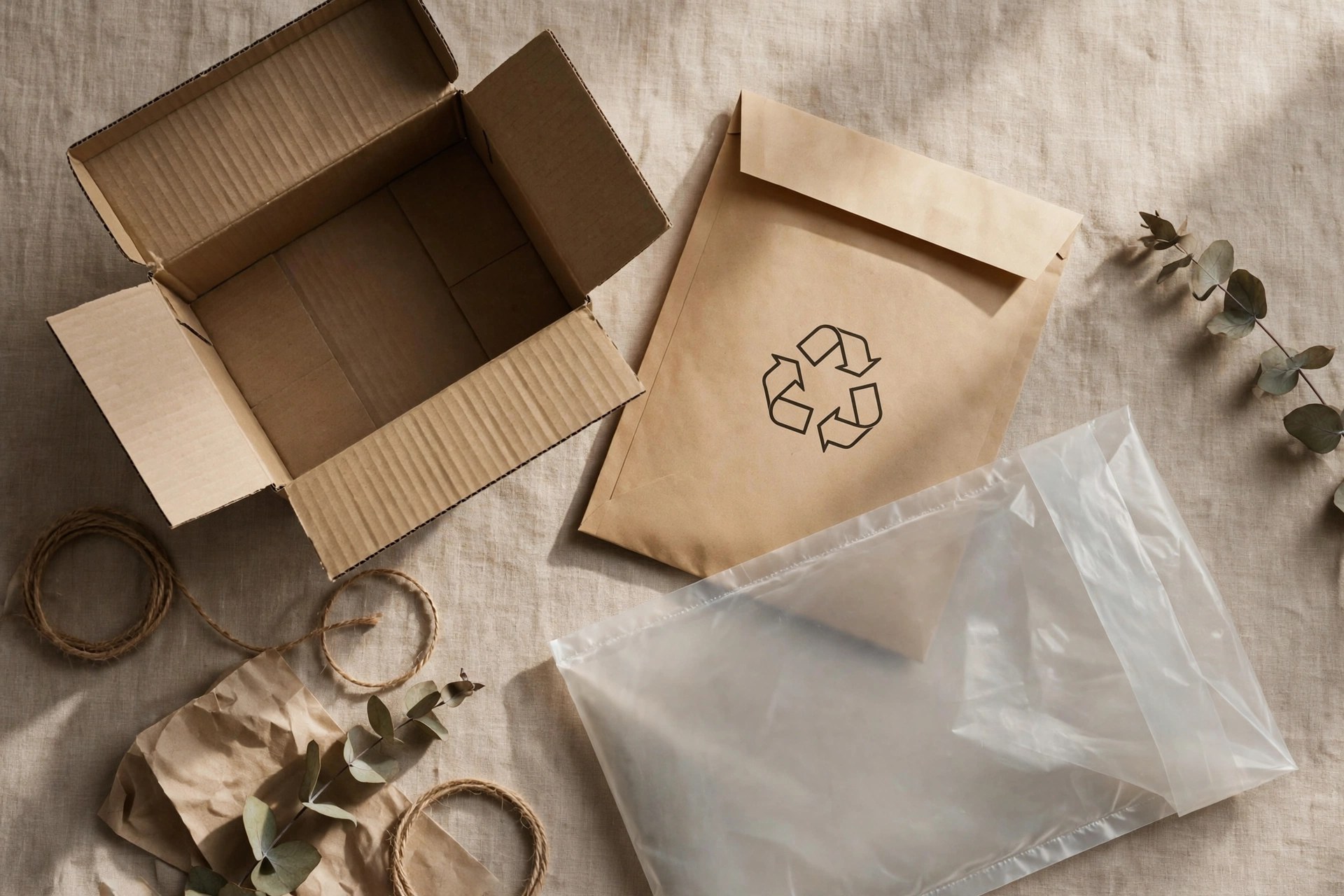
Second, material choice is now a cost lever. EPR fees are eco-modulated: recyclable, low-impact, source-reduced packaging pays less; problem plastics and complex multi-material formats pay more. The mailer, tray, or pouch you spec in 2026 determines the fee tier you land in from 2027 on. A switch from a multi-layer pouch to a recyclable mono-material — or from virgin plastic to recycled content — is no longer just a sustainability story. It is a line item.
Third, you will need data your supplier has. Reporting requires packaging material breakdowns by SKU — weights, material types, recycled content. Most buyers sourcing from China do not have this data at line-item level today. Getting it means going back to factories and asking for specifications most were never asked to provide.
Five practical steps for 2026
1. Confirm whether you are obligated. If you sell packaged goods in any of the seven states, map your exposure state by state. California alone captures most national brands.
2. Inventory your packaging by material. List every SKU’s packaging components — primary, secondary, and e-commerce shippers — with material type and weight. You cannot report what you have not measured.
3. Ask your Chinese suppliers for material specs now. Recycled content percentages, material composition of laminates, weights per unit. Build this into RFQs going forward so the data arrives with the quotation, not six months later.
4. Favor recyclable mono-materials in new specs. Where performance allows, single-material paper or recyclable mono-plastic structures will sit in lower fee tiers than multi-material laminates across every state program.
5. Treat 2026 sourcing decisions as 2027 cost decisions. California’s full fees begin in 2027, calculated on the packaging you are specifying today. The cheapest unit price from a factory is not the cheapest total cost if the material lands you in a penalty tier.
EPR in the US is no longer a proposal to monitor. In Oregon it is invoices; in California it is a $5 billion program with 2027 fees approaching. Buyers who build material data and recyclable design into their China sourcing now will pay less later — and have fewer surprises when the next state joins the list.